
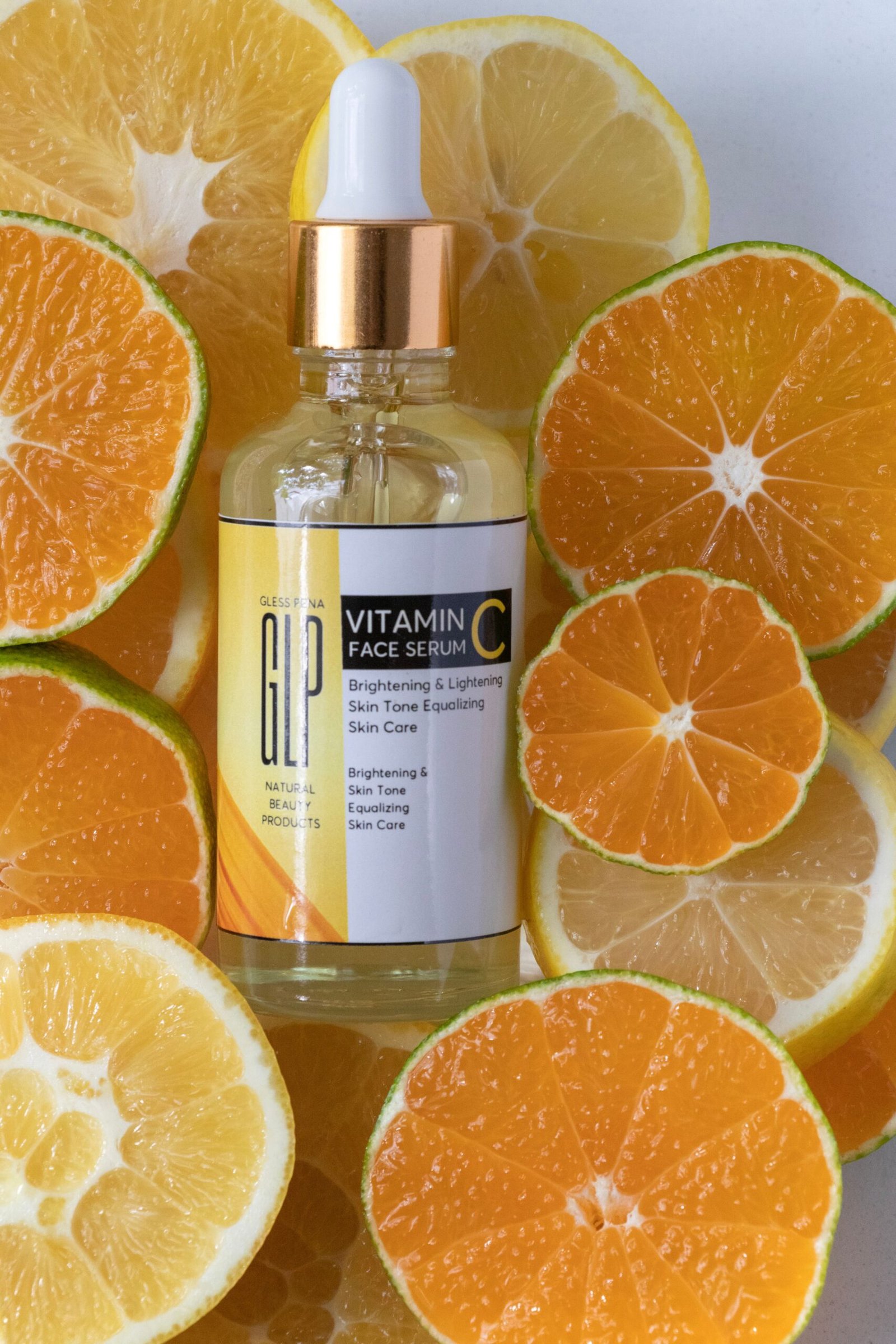
Best Vitamin C Serum Deals UK: Brightening Serums Worth Buying
A vitamin C serum is a topical antioxidant treatment that helps fade dullness, even out tone and support the skin's natural collagen over time. And in the UK, prices for a genuinely effective one range from under £10 to £50+.
Not every vitamin C serum on a UK shelf works the same way. Stability, concentration and the form of vitamin C used (L-ascorbic acid vs. more stable derivatives) all affect how much a serum actually does. Below are three widely available UK options at different price points and strengths, plus what to check before you buy and current deal-hunting tips.
- 3 vitamin C serums compared on strength, texture and skin-type fit
- What actually matters when choosing a vitamin C serum
- How to store vitamin C serum so it doesn't degrade before you've used it
- Answers to the most common vitamin C serum questions
Key takeaways
- The Ordinary’s 23% suspension is the strongest and cheapest option here, but its raw L-ascorbic acid form can irritate reactive skin.
- La Roche-Posay’s Pure Vitamin C10 is the gentlest of the three and the one to pick for sensitive or rosacea-prone skin.
- No7’s Radiance+ serum sits in the middle on strength and is the easiest to find on a UK high street.
- Vitamin C serums oxidise once opened. Don’t buy in bulk, and check the colour hasn’t turned deep amber before applying.
- Apply after cleansing and before moisturiser, and always follow with SPF the next morning. Vitamin C doesn’t replace sunscreen.
What to check before buying a vitamin C serum
8–15% suits most skin; anything above 20% (like L-ascorbic acid suspensions) is stronger but more likely to sting sensitive skin.
Vitamin C degrades in light and air. Opaque, air-restricted pump bottles keep it stable far longer than clear droppers.
Pure L-ascorbic acid is the most researched and effective form, but derivatives (like sodium ascorbyl phosphate) are gentler if you have reactive skin.
Vitamin E and ferulic acid boost stability and antioxidant effect; hyaluronic acid adds hydration but isn’t a brightening ingredient itself.
A fresh vitamin C serum should be pale yellow to colourless. Deep amber or brown means it has already oxidised and lost potency.
Quick picks
The Ordinary Vitamin C Suspension 23% + HA Spheres 2%
High-strength 23% L-ascorbic acid suspension with 2% hyaluronic acid spheres for hydration.
- Highest concentration of the three, so results on dullness tend to show faster
- Cheapest per ml of the group
- Fragrance-free formula
- The suspension texture (small undissolved particles) feels gritty to some people until it’s rubbed in
- Raw L-ascorbic acid at this strength can sting if your skin is reactive or you’re new to actives
- Bottle needs shaking before each use since the vitamin C settles
The grainy texture is the most common complaint, not the strength. It dissolves within a minute of patting it in, but it doesn't apply like a typical serum and that surprises first-time buyers.
Because it's an unbuffered 23% concentration, patch-testing on the inner arm for 24 hours before a full facial application is worth the extra day, especially if you've never used a vitamin C product before.
La Roche-Posay Pure Vitamin C10 Serum
10% pure vitamin C serum formulated and dermatologist-tested for sensitive skin.
- Formulated for sensitive and rosacea-prone skin, La Roche-Posay’s core specialism
- Smooth liquid texture with no grittiness
- Sold in most UK pharmacies and Boots stores, not just online
- 10% is a moderate strength. Visible brightening takes longer than with a 20%+ formula
- More expensive per ml than The Ordinary’s suspension
- Some users report the pump dispenses inconsistent amounts
The lower 10% strength is a deliberate trade-off, not a shortcoming. La Roche-Posay's own sensitive-skin testing protocol caps concentration to reduce sting risk, which is exactly why dermatologists recommend it for reactive skin.
It layers cleanly under moisturiser without pilling, which matters if your routine already includes several other products in the morning.
No7 Radiance+ 15% Vitamin C Serum
15% vitamin C serum from Boots’ own No7 range, aimed at dullness and uneven tone.
- Sits between the other two on strength, a reasonable middle ground
- Stocked in almost every Boots in the UK, easy to buy in person
- Regularly appears in Boots’ own promotions and No7 sales events
- Not as widely reviewed by dermatology-focused outlets as the other two
- Formula details (exact stabilisers used) are less publicly documented than The Ordinary’s or La Roche-Posay’s
No7's Radiance+ range is Boots' own-brand answer to premium vitamin C serums, and the 15% strength puts it deliberately between a gentle 10% and an aggressive 23%. A sensible default if you're not sure which end of that range you need.
Because it's a Boots own-brand line, it shows up in Boots' seasonal 3-for-2 and points-multiplier promotions more often than the other two brands here. Worth checking current offers before paying full price.
|
Strongest
The Ordinary Vitamin C Suspension 23% + HA Spheres 2% (30ml)
|
VS |
Gentlest
La Roche-Posay Pure Vitamin C10 Serum (30ml)
|
|---|---|---|
|
23% L-ascorbic acid
|
Strength |
10% pure vitamin C
|
|
Tolerant / experienced with actives
|
Best for skin type |
Sensitive / rosacea-prone
|
|
Grainy suspension
|
Texture |
Lightweight liquid
|
|
Boots.com
|
Where to buy |
Boots.com
|
| Check price | Check price |
Keep vitamin C serum in a cool, dark place (not a steamy bathroom cabinet) and replace it if it turns deep amber or brown. That colour change means the vitamin C has oxidised and largely stopped working, regardless of how much product is left in the bottle.
What does vitamin C serum actually do for skin?
Vitamin C is a topical antioxidant that helps neutralise free-radical damage from UV and pollution, supports the skin’s natural collagen production, and gradually fades dullness and uneven tone with consistent use over several weeks.
Can I use vitamin C serum every day?
Yes. Most vitamin C serums are designed for daily morning use, applied after cleansing and before moisturiser and SPF. Some people with sensitive skin prefer alternating days when starting out.
Does a higher vitamin C percentage always work better?
Not necessarily. Research generally shows benefits plateau around 15–20%, and going higher mainly increases irritation risk rather than effectiveness. The right strength depends on how well your skin tolerates it, not just the number on the bottle.
Can I use vitamin C serum with retinol?
You can, but most dermatologists suggest using vitamin C in the morning and retinol at night rather than layering them in the same routine, since retinol can make skin more sensitive to other actives.
Why has my vitamin C serum turned orange or brown?
That colour change means the vitamin C has oxidised, usually from exposure to light, air or heat. An oxidised serum is much less effective and, for some people, can even feel more irritating. It’s generally best to replace it rather than keep using it.
Is The Ordinary's Vitamin C Suspension suitable for beginners?
It can irritate first-time users because of its 23% strength and unbuffered L-ascorbic acid form. A gentler starting point like a 10% formula is usually the safer choice if you’ve never used a vitamin C product before.
Should vitamin C serum go before or after moisturiser?
Apply vitamin C serum to clean, dry skin before moisturiser. Serums are thinner and formulated to absorb first; moisturiser goes on top to seal in hydration.
Do I still need SPF if I use vitamin C serum?
Yes. Vitamin C is an antioxidant, not a sunscreen, and doesn’t block UV rays on its own. It works alongside daily SPF, not instead of it.
Which vitamin C serum should you buy?
If your skin already handles actives well, The Ordinary’s 23% suspension gives you the most brightening power per pound. If you’re sensitive, rosacea-prone, or new to vitamin C altogether, La Roche-Posay’s Pure Vitamin C10 is the safer starting point. No7’s Radiance+ is the practical middle ground if you’d rather buy in a Boots store than order online.
- Patch-test any new vitamin C serum for 24 hours before applying to your full face
- Pair it with a daily SPF
- Check the full UK skincare routine guide for where vitamin C fits alongside retinol and other actives