
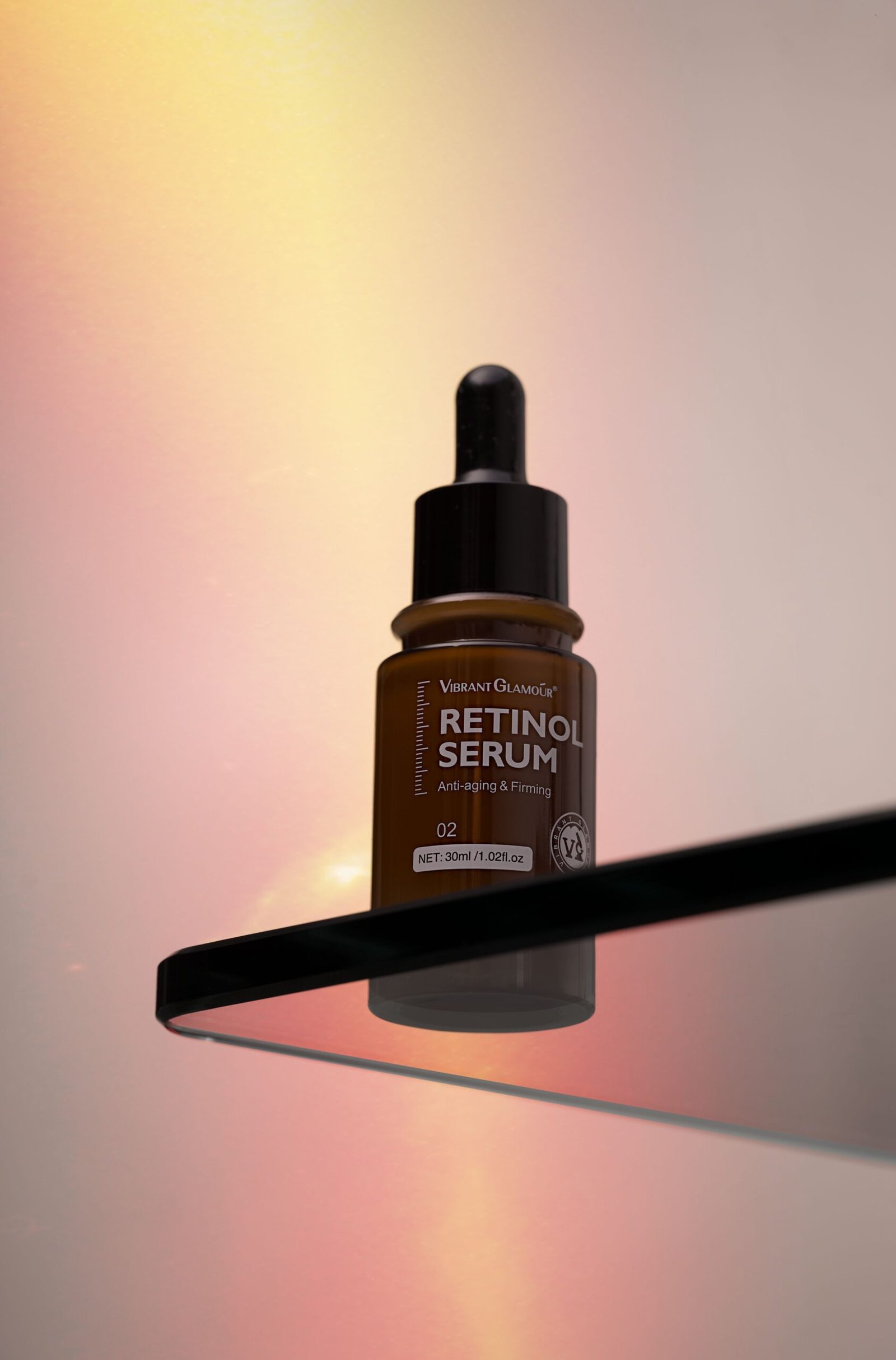
Best Retinol & Anti-Ageing Skincare Deals UK
Retinol is a vitamin A derivative that speeds up skin cell turnover, and it remains the single most evidence-backed ingredient for fine lines, texture and post-acne marks. But strength, formulation and how you introduce it matter more than the price on the box.
The three UK-available retinol products below cover very different situations: an advanced-strength option for experienced users, a sensitive-skin-formulated pharmacy serum, and a blemish-focused option with soothing ingredients built in. None of them will work overnight. Most people need 8 to 12 weeks of consistent use before judging results.
- 3 retinol products compared for strength, skin-type fit and formulation
- How to introduce retinol without irritating your skin
- Why retinol and sun exposure don't mix well
- Answers to the most common retinol questions
Key takeaways
- The Ordinary’s 2% Granactive Retinoid emulsion is the strongest of the three and is meant for people who already have retinoid experience, not beginners.
- La Roche-Posay’s Retinol B3 is formulated specifically to be more tolerable for sensitive skin, at the cost of a lower effective strength.
- CeraVe’s Resurfacing Retinol Serum is the one to pick if breakouts and post-acne marks are your main concern, not fine lines.
- Start any retinol 2–3 nights a week, not nightly, and build up gradually over several weeks.
- Retinol makes skin more sun-sensitive. Daily SPF the next morning isn’t optional if you’re using it.
What to check before buying a retinol product
First-time users generally do better starting with a lower-strength or encapsulated formula rather than jumping to an advanced 2%+ concentration.
If you have eczema, rosacea or generally reactive skin, a formula built for sensitivity (like one paired with niacinamide/vitamin B3) reduces the risk of a harsh reaction.
Retinol for fine lines and texture is a slightly different use case from retinol aimed at blemishes and post-acne marks. Formulations differ accordingly.
Ceramides, niacinamide and hyaluronic acid alongside retinol help offset the dryness and flaking retinol can cause, especially in the first few weeks.
Retinoids are generally advised against during pregnancy and breastfeeding. Check with a GP or midwife before use if this applies to you.
Quick picks
The Ordinary Granactive Retinoid 2% Emulsion
A non-irritating retinoid ester emulsion at an advanced 2% concentration, aimed at experienced retinoid users.
- Advanced 2% strength for users who’ve already built tolerance to lower concentrations
- Emulsion texture absorbs quickly without a heavy film
- One of the more affordable advanced-strength retinoid products sold in the UK
- Not a beginner formula. Going straight to 2% without prior retinoid use risks noticeable flaking and irritation
- The Ordinary’s packaging and branding won’t suit anyone wanting a more clinical pharmacy-brand feel
- No added soothing ingredients like ceramides built into the formula
Granactive Retinoid is a retinoid ester, not pure retinol. It converts to active retinoic acid in the skin more gradually, which is part of why The Ordinary markets it as lower-irritation despite the high 2% figure on the label.
Even so, 2% is genuinely strong. Going in at full strength nightly is the most common mistake. Three nights a week for the first month is a safer on-ramp than the bottle's marketing might suggest.
La Roche-Posay Retinol B3 Serum
Pure retinol serum with vitamin B3 (niacinamide), formulated to be tolerated by sensitive skin.
- Built specifically for sensitive and reactive skin, which is La Roche-Posay’s core specialism as a pharmacy brand
- Niacinamide alongside retinol helps offset dryness and calms redness
- Widely stocked in UK Boots stores and pharmacies, easy to buy in person
- Doesn’t disclose an exact retinol percentage, making it harder to compare strength directly against other products
- More expensive per ml than The Ordinary’s option
- Results may take longer to become visible given the gentler formulation
The lack of a stated percentage is a deliberate La Roche-Posay choice across their retinol range. They position the product on tolerability and dermatologist testing rather than a headline number, which cuts both ways if you like to compare products by exact concentration.
The niacinamide pairing is doing real work here: it's one of the better-evidenced ingredients for reducing the barrier disruption that retinol causes in the first few weeks, particularly on skin that flakes easily.
CeraVe Resurfacing Retinol Serum
Retinol serum with ceramides and niacinamide, aimed at blemish-prone and post-acne-mark skin.
- Ceramides help maintain the skin barrier while retinol is actively exfoliating, which matters most for acne-prone skin already prone to irritation
- Positioned specifically for post-acne marks and texture, not just fine lines
- CeraVe’s ceramide-focused formulas are widely recommended by dermatologists for barrier support
- Not marketed primarily as an anti-ageing product, so if fine lines are your main concern this isn’t the most targeted option
- Like La Roche-Posay’s option, the exact retinol percentage isn’t published on the UK listing
CeraVe's whole product range is built around its three-ceramide blend, and this retinol serum is no exception. It's a genuinely different formulation philosophy from a straight retinoid-in-a-bottle approach, aimed at not undoing barrier repair while still delivering retinol's benefits.
If you're also using a benzoyl peroxide or salicylic acid acne treatment, applying this on alternate nights rather than stacking actives every night reduces the chance of over-drying skin that's already dealing with active breakouts.
|
Strongest
The Ordinary Granactive Retinoid 2% Emulsion (30ml)
|
VS |
Most tolerable
La Roche-Posay Retinol B3 Serum (30ml)
|
|---|---|---|
|
Granactive Retinoid 2% (ester)
|
Retinoid type |
Retinol + niacinamide (% undisclosed)
|
|
Experienced retinoid users
|
Best for |
Sensitive skin / beginners
|
|
None added
|
Key supporting ingredient |
Niacinamide
|
|
Cult Beauty
|
Where to buy |
Boots.com
|
| Check price | Check price |
Retinol increases how easily skin burns and sun-damages. Use it at night only, and apply a broad-spectrum SPF every morning you use it. Skipping SPF while on retinol is one of the most common ways people end up with worse pigmentation, not less.
How often should I use retinol when starting out?
Most dermatologists recommend starting 2–3 nights a week for the first few weeks, then gradually increasing to nightly use as your skin builds tolerance. Going straight to nightly use is the most common cause of excessive flaking and irritation.
How long does retinol take to show results?
Visible improvements in texture and fine lines typically take 8 to 12 weeks of consistent use. Some initial dryness or flaking (sometimes called ‘retinisation’) in the first 2–4 weeks is common and usually settles.
Can I use retinol and vitamin C together?
Most dermatologists suggest using vitamin C in the morning and retinol at night rather than combining them in one application, since layering can increase irritation without adding extra benefit.
Is retinol safe during pregnancy?
Retinoids, including retinol, are generally advised against during pregnancy and breastfeeding. Speak to a GP or midwife before continuing or starting a retinol product if this applies to you.
What's the difference between retinol and prescription retinoids like tretinoin?
Retinol is an over-the-counter form that the skin has to convert into active retinoic acid, making it gentler but slower-acting than prescription retinoids such as tretinoin, which are already in their active form and generally stronger and faster.
Why is my skin flaking after starting retinol?
Flaking is a common sign your skin is adjusting to increased cell turnover. It usually settles within a few weeks if you reduce frequency and keep the skin barrier supported with a fragrance-free moisturiser. Persistent, severe flaking is a sign to scale back further.
Can I use retinol on sensitive or rosacea-prone skin?
Yes, but a lower-strength or specifically sensitive-skin-formulated product, applied less frequently, is the safer starting point. A formula paired with niacinamide tends to be better tolerated than an unbuffered high-strength retinoid.
Do I need to stop using retinol once I see results?
No. Retinol’s benefits are generally maintained with continued use, and effects fade if you stop. Most people who see results keep it as a long-term part of their routine, at whatever frequency their skin tolerates.
Which retinol product should you buy?
If you already have retinoid experience and want maximum strength, The Ordinary’s 2% Granactive Retinoid emulsion offers the most for the price. If you’re new to retinol or your skin reacts easily, La Roche-Posay’s Retinol B3 is the more forgiving starting point. If breakouts and post-acne marks are your priority over fine lines, CeraVe’s Resurfacing Retinol Serum is built for that specifically.
- Introduce retinol gradually. 2-3 Nights a week to start, not nightly
- Add a daily SPF to your morning routine
- See the full UK skincare routine guide for where retinol fits alongside other actives