
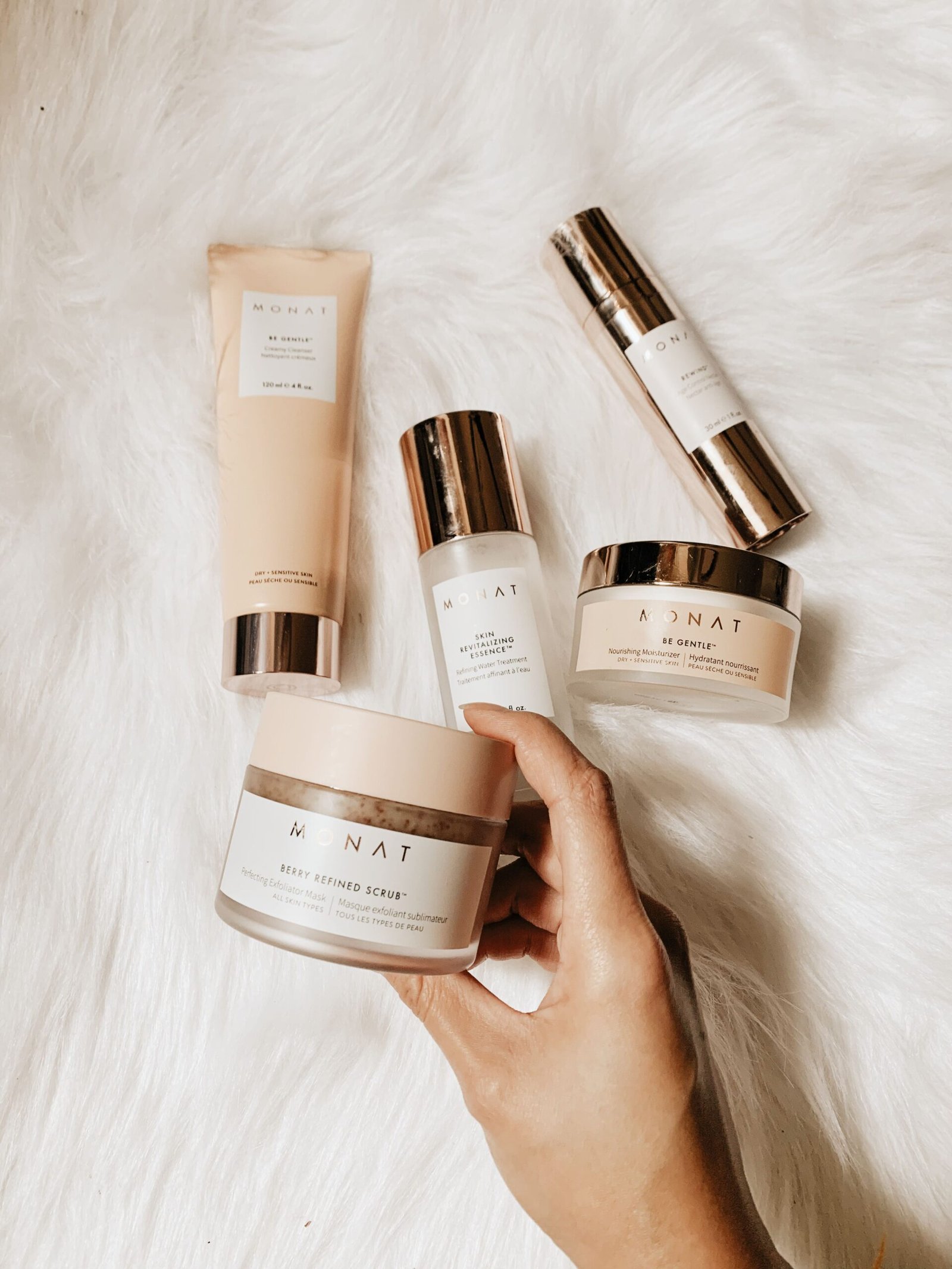
UK Skincare Guide: How to Build a Routine That Actually Works
A skincare routine is the small set of products you use consistently, in a sensible order, to clean, treat and protect your skin. And in the UK, most people overcomplicate it far more than the evidence actually supports.
You don’t need ten steps to see results. You need a cleanser, one or two targeted actives suited to your actual skin concern, a moisturiser, and daily SPF. Applied consistently for weeks, not days. This guide walks through how those pieces fit together, then links out to a focused buying guide for each category so you’re not guessing which specific product to buy.
- The order actives and basics go on, morning and night
- How to introduce a new active without overwhelming your skin
- Which of the five categories below actually matters for your skin concern
- Where to find deal-tracked buying guides for each step
Key takeaways
- A minimal routine, cleanser, one active, moisturiser, SPF, outperforms an inconsistently used ten-step routine.
- Apply products thinnest to thickest: cleanser, then serums/actives, then moisturiser, then SPF in the morning.
- Introduce one new active at a time, and give it 6-8 weeks before deciding whether it’s working.
- Vitamin C belongs in the morning; retinol and leave-on exfoliants belong at night, usually not on the same night as each other.
- SPF is the one step with the strongest evidence behind it. Skipping it undermines almost everything else in a routine.
Principles for building a routine that sticks
Cleanser, one targeted active for your main concern, moisturiser and SPF is a complete routine. Everything else is optional refinement, not a requirement.
Pick an active based on what’s actually bothering you (dullness, fine lines, congestion, redness) rather than because it’s trending.
Adding a new active every few days makes it impossible to tell what’s working or what’s causing irritation if something goes wrong.
Most actives take 6-8 weeks to show visible results. Switching products every two weeks resets that clock every time.
Combining a leave-on exfoliant and retinol on the same night, or a high-strength vitamin C with either, is the most common way people end up with a compromised skin barrier.
Morning routine order
-
Cleanse
A gentle cleanser to remove overnight buildup. This doesn’t need to be a deep clean in the morning.
-
Treat (optional)
Vitamin C serum, if you’re using one, goes here. Apply to clean, dry skin.
-
Moisturise
Lock in hydration before the final step.
-
SPF
The last step, every single day, regardless of weather. See our facial SPF guide for options.
Evening routine order
-
Cleanse
Remove makeup, SPF and the day’s buildup. A proper cleanse matters more at night than in the morning.
-
Exfoliate (2-4 nights/week, not every night)
A leave-on BHA or AHA, if your skin tolerates it. Not the same night as retinol.
-
Treat
Retinol, if you’re using it, goes here on the nights you’re not exfoliating.
-
Moisturise
A slightly richer moisturiser than your morning one helps offset any dryness from actives.
The five categories that matter most
Below are five focused guides, each comparing three specific UK-available products for a single category. Pick the one (or two) that match your actual concern rather than trying to buy into all five at once.
Vitamin C serum. For dullness and uneven tone
A morning antioxidant step that helps fade dullness and support collagen over time. Best paired with daily SPF, never as a substitute for it.
Retinol. For fine lines, texture and post-acne marks
The most evidence-backed anti-ageing active available without a prescription. Used at night only, introduced gradually, always paired with morning SPF.
SPF. For daily protection against UV ageing
The single step with the strongest evidence behind it. UVA exposure happens year-round in the UK, cloud cover included. This isn't a summer-only step.
Cleanser & exfoliator. For texture and congestion
A daily cleanser and, if your skin tolerates it, a leave-on BHA a few nights a week. Two different jobs, not interchangeable products.
K-beauty. For hydration layers and a calming routine
Toners and essences that layer alongside your existing actives rather than replacing them. Useful if redness or dehydration is a recurring issue.
Prefer a ready-made set?
If you'd rather not build a routine product-by-product, our skincare set guide for sensitive skin rounds up complete starter sets instead. For a US/UK price comparison across specific own-name products like medicube and CeraVe, edeale.com's Amazon UK skincare comparison is also worth a look, and their step-by-step essential routine review covers the same routine-building idea from a different angle.
A routine of four consistently used products beats a routine of ten used inconsistently. If your skin is reacting badly to something, the fix is almost always to remove a product, not add another one to counteract it.
What's the minimum skincare routine that actually works?
A gentle cleanser, one active suited to your main skin concern, a moisturiser, and daily SPF. That four-step routine, used consistently, outperforms a longer routine used inconsistently.
What order should skincare products go on?
Generally thinnest to thickest: cleanser, then any serums or treatments, then moisturiser, and in the morning, SPF as the final step.
Can I use vitamin C and retinol in the same routine?
Yes, but most dermatologists recommend vitamin C in the morning and retinol at night rather than combining them in one application, to reduce irritation risk.
How long before a new skincare product shows results?
Most actives need 6-8 weeks of consistent use before you can fairly judge whether they’re working. Switching products every couple of weeks makes it hard to know what’s actually helping.
Do I need to see a dermatologist before starting actives like retinol?
Not necessarily for standard over-the-counter strengths, but if you have a diagnosed skin condition, are pregnant or breastfeeding, or have very reactive skin, checking with a GP or dermatologist first is a reasonable precaution.
Is a 10-step routine necessary?
No. Multi-step routines can be enjoyable and some people like the ritual, but the evidence for skincare benefit comes down to a small number of well-chosen products used consistently, not the total step count.
What's the single most important skincare step?
Daily SPF has the strongest evidence behind it for preventing premature ageing and protecting skin long-term. If you only add one consistent habit, that’s the one with the best-supported case.
How do I know if a product is irritating my skin?
Persistent redness, stinging, excessive dryness or flaking beyond the first couple of weeks are signs to scale back frequency or stop using a product, rather than adding something else to counteract the reaction.
Start small, stay consistent
The best skincare routine is the one you’ll actually keep up. Start with a cleanser, one active matched to your real concern, a moisturiser and daily SPF, then use the guides above to pick specific UK-available products once you know which category you actually need.